
Inflammation is a natural process in your body—it helps you heal from injuries and fight infections. But when inflammation becomes chronic, it can lead to serious health issues like heart disease, diabetes, and even autoimmune conditions. The good news? Your diet plays a powerful role in controlling inflammation.
In this complete guide, you’ll discover the ultimate anti inflammation food list, how these foods work, and how you can easily include them in your daily routine for long-term health.
What Is an Anti Inflammation Food List?
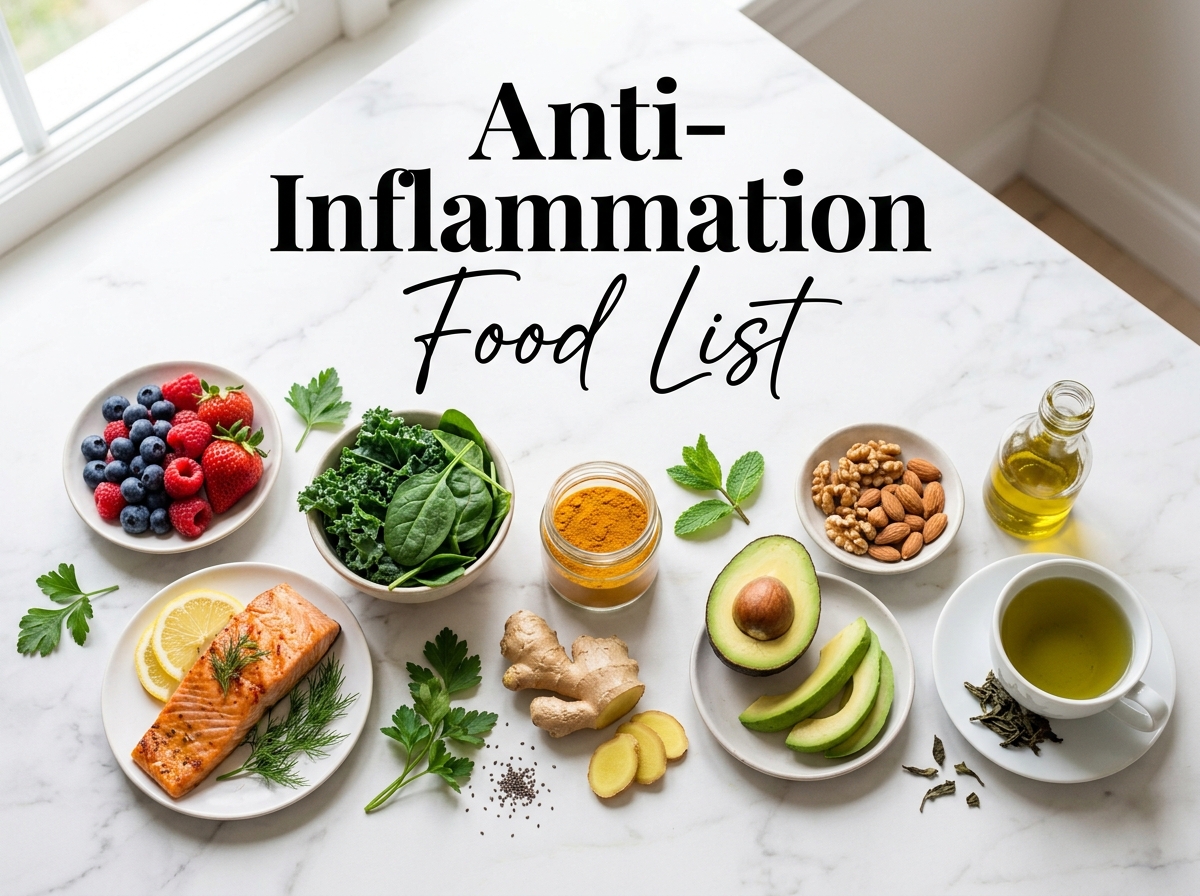
An anti inflammation food list includes foods rich in antioxidants, healthy fats, vitamins, and minerals that help reduce inflammation in the body. These foods work by neutralizing harmful molecules called free radicals and supporting your immune system.
Instead of focusing on a strict diet, this approach emphasizes whole, natural foods that nourish your body and reduce inflammatory responses.
Benefits of Following an Anti Inflammation Diet
Before diving into the food list, it’s important to understand why this lifestyle matters.
Research shows that an anti-inflammatory diet may help:
- Reduce joint and muscle pain
- Improve digestion and gut health
- Boost energy levels
- Support heart health
- Lower blood sugar and cholesterol
- Improve skin clarity and reduce acne
Chronic inflammation is linked to major diseases, so eating the right foods can significantly improve your overall well-being.
The Ultimate Anti Inflammation Food List
Let’s break down the most powerful anti-inflammatory foods you should include in your diet.
1. Fruits (Especially Berries)
Fruits are packed with vitamins, fiber, and antioxidants that fight inflammation.
Top choices:
- Blueberries
- Strawberries
- Cherries
- Oranges
- Grapes
Berries are especially powerful because they contain anthocyanins, compounds known for reducing inflammation and protecting cells.
👉 Tip: Add berries to smoothies, yogurt, or oatmeal for an easy boost.
2. Leafy Green Vegetables
Vegetables are the foundation of any anti inflammation food list.
Best options:
- Spinach
- Kale
- Broccoli
- Brussels sprouts
- Bell peppers
These vegetables are rich in antioxidants like vitamin C and polyphenols, which help lower inflammation levels.
👉 Tip: Try steaming or lightly sautéing vegetables to preserve nutrients.
3. Fatty Fish (Omega-3 Powerhouses)
Fatty fish are among the most effective anti-inflammatory foods.
Top picks:
- Salmon
- Sardines
- Mackerel
- Tuna
These fish contain omega-3 fatty acids (EPA and DHA), which reduce inflammation and protect against chronic diseases.
👉 Aim for at least 2 servings per week.
4. Healthy Fats
Not all fats are bad—some actually fight inflammation.
Best sources:
- Extra virgin olive oil
- Avocados
- Nuts (walnuts, almonds)
- Seeds (chia, flaxseeds)
Olive oil, in particular, contains compounds similar to anti-inflammatory medications.
👉 Use olive oil as your primary cooking oil.
5. Whole Grains
Whole grains provide fiber and nutrients that help regulate inflammation.
Examples:
- Brown rice
- Oats
- Quinoa
- Whole wheat
Unlike refined grains, whole grains support gut health and reduce inflammatory markers.
6. Legumes
Legumes are plant-based protein sources that are rich in fiber and antioxidants.
Include:
- Lentils
- Chickpeas
- Black beans
They help stabilize blood sugar levels and reduce inflammation.
7. Herbs and Spices
Spices are small but incredibly powerful when it comes to fighting inflammation.
Top anti-inflammatory spices:
- Turmeric
- Ginger
- Garlic
- Cinnamon
Turmeric contains curcumin, a compound known for blocking inflammatory pathways in the body.
👉 Combine turmeric with black pepper to boost absorption.
8. Green Tea and Healthy Beverages
What you drink matters too.
Best options:
- Green tea
- Herbal teas
- Water
Green tea contains EGCG, a powerful antioxidant that reduces inflammation.
9. Dark Chocolate (In Moderation)
Good news—chocolate lovers can still indulge!
Dark chocolate (70% cocoa or higher) contains antioxidants that help reduce inflammation.
👉 Keep portions small to avoid excess sugar.
10. Tomatoes
Tomatoes are rich in lycopene, an antioxidant known for its anti-inflammatory properties.
Cooking tomatoes (like in sauces) can actually increase lycopene absorption.
Foods That Cause Inflammation (Avoid These)
Just as important as what you eat is what you avoid.
Limit these foods:
- Sugary drinks and snacks
- Processed foods
- Fried foods
- Refined carbohydrates (white bread, pastries)
- Processed meats
These foods can trigger inflammatory responses and increase disease risk.
Sample Daily Anti-Inflammatory Meal Plan
Here’s a simple example to help you get started:
Breakfast:
Oatmeal topped with blueberries and chia seeds
Lunch:
Grilled salmon with quinoa and steamed broccoli
Snack:
Handful of almonds and green tea
Dinner:
Lentil curry with spinach and brown rice
Dessert:
Dark chocolate square
Products for Anti-Inflammation
To make your journey easier, here are some helpful products you can find:
1. Organic Turmeric Powder
Perfect for adding to teas, curries, and smoothies.
2. Omega-3 Fish Oil Supplements
Supports heart and joint health.
3. Extra Virgin Olive Oil
A must-have for cooking and salads.
4. Green Tea Bags
Easy way to add antioxidants to your daily routine.
5. Chia Seeds
Great for smoothies, yogurt, and baking.
Tips to Start an Anti-Inflammatory Lifestyle
Making the switch doesn’t have to be overwhelming.
Start with these simple tips:
- Focus on whole, unprocessed foods
- Cook more meals at home
- Add vegetables to every meal
- Replace sugary drinks with water or tea
- Gradually reduce processed foods
Small, consistent changes can lead to big results over time.
Final Thoughts
Following an anti inflammation food list isn’t about strict rules—it’s about making smarter, healthier choices every day. By focusing on whole foods like fruits, vegetables, healthy fats, and lean proteins, you can significantly reduce inflammation and improve your overall health.
Remember, your body responds to what you eat. Feed it well, and it will reward you with better energy, improved health, and a stronger immune system.